ConceptsFrequency analysis
Concept · cryptography · in 11 mysteries
Frequency analysis
Reading a cipher by counting how often each sign appears and matching the counts to a language.
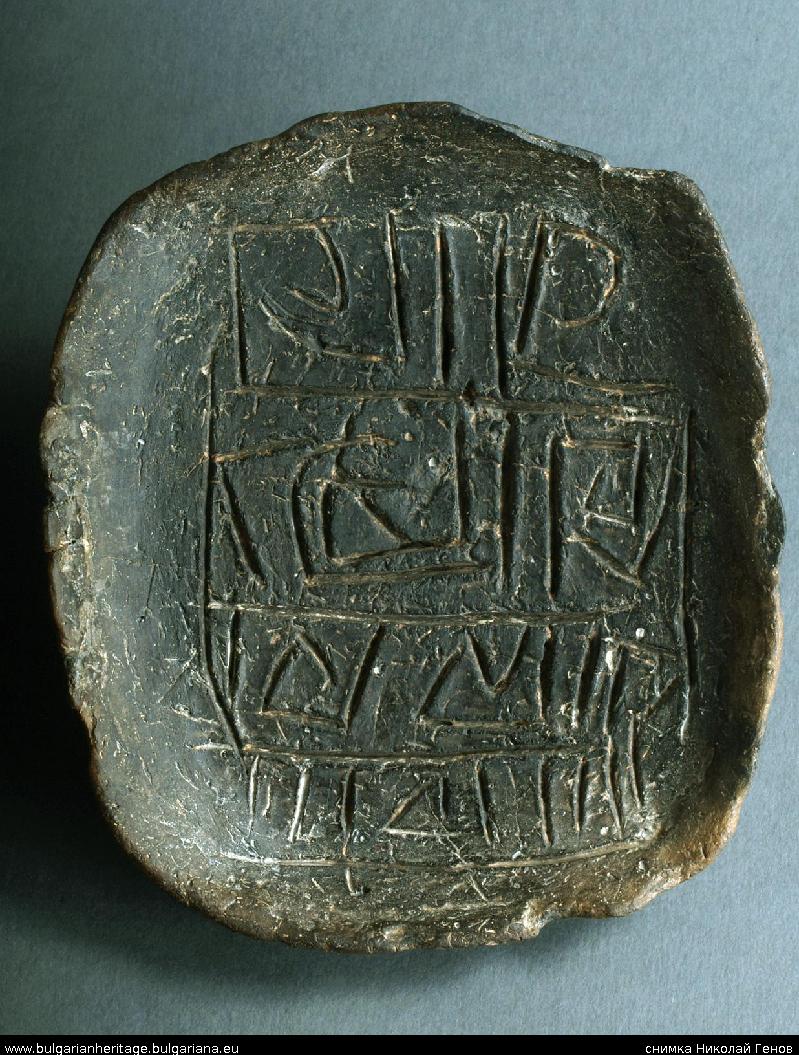
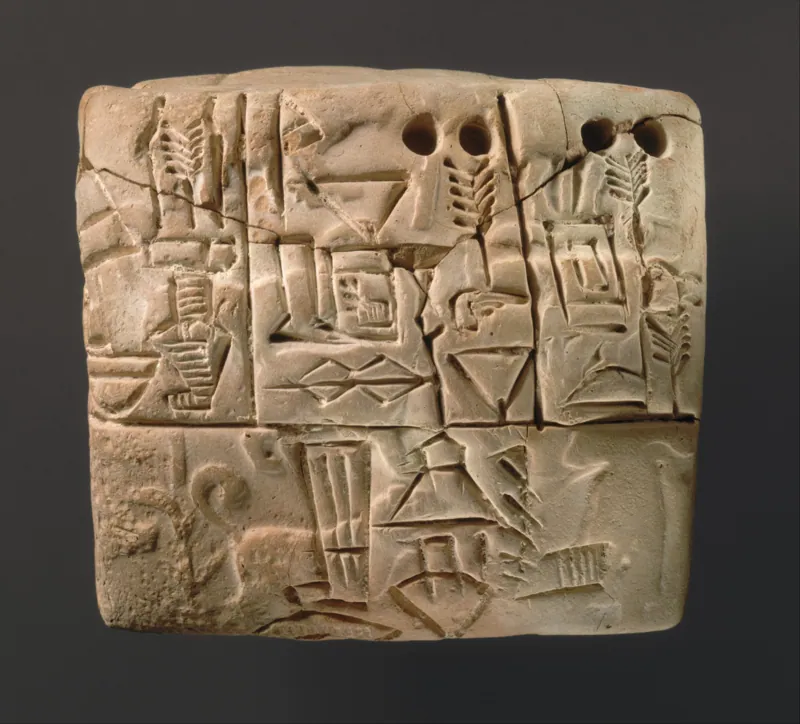
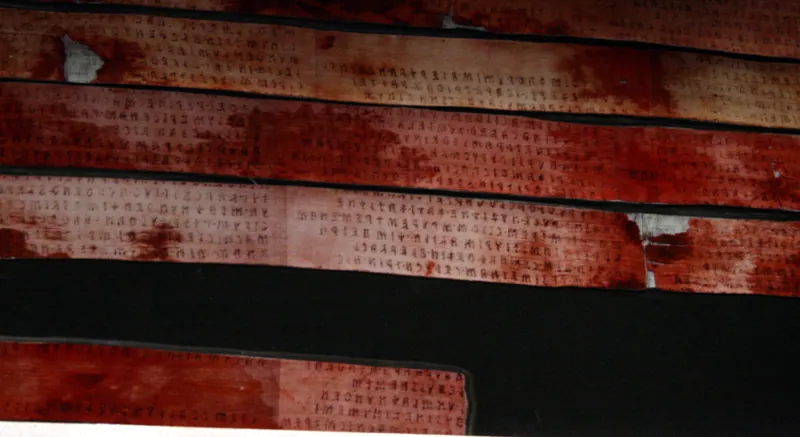
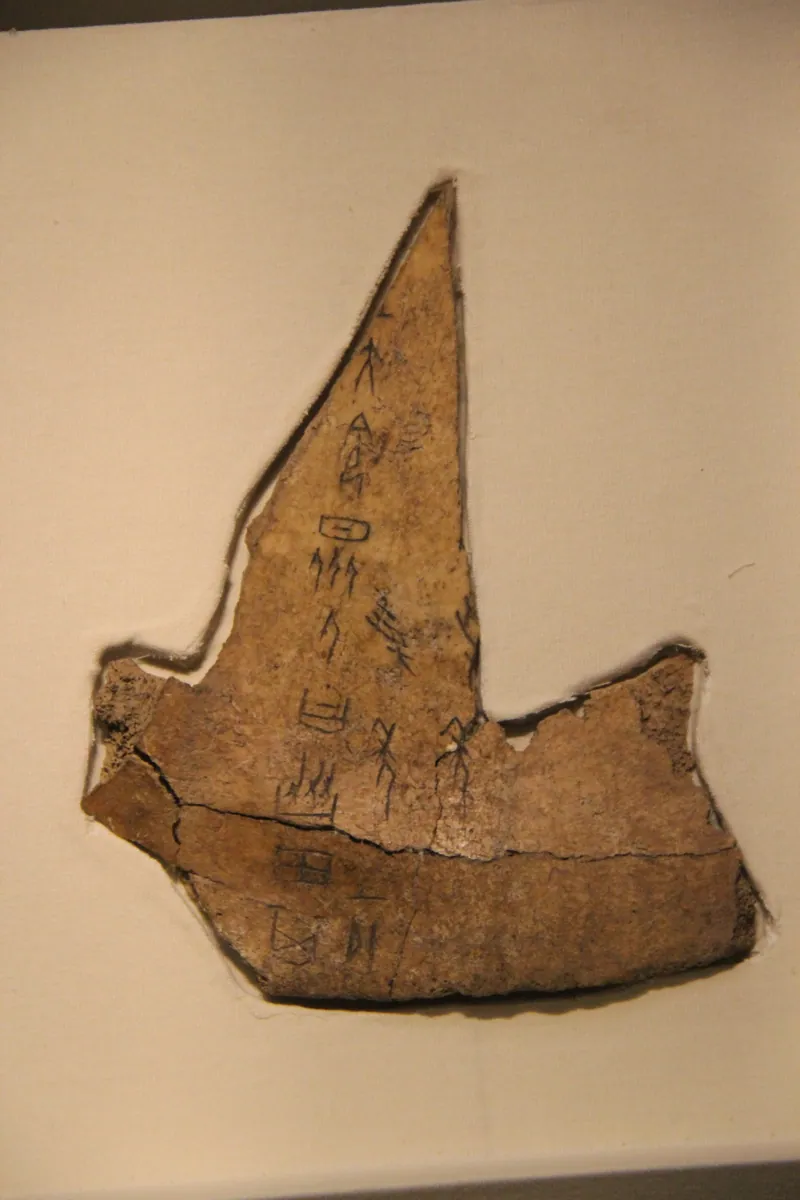
The oldest tool of cryptanalysis: count the signs in a cipher text, compare the counts to the known letter frequencies of a candidate language, and let the common signs stand for the common letters. It breaks simple substitution quickly and fails against homophones, nomenclators and codes. On this site it is the first test applied to every unread text, and the sign counts of the Voynich Manuscript, Rongorongo and the Indus script are among the things it has to explain.
Where it comes up
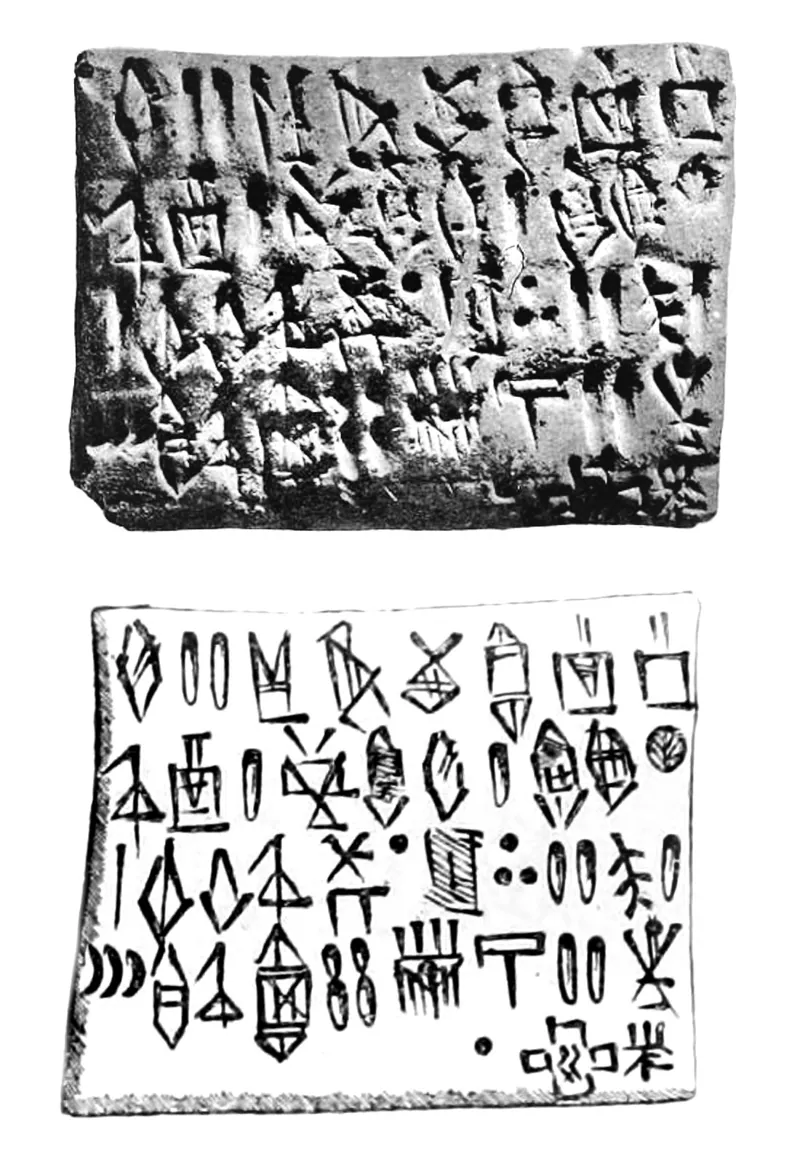

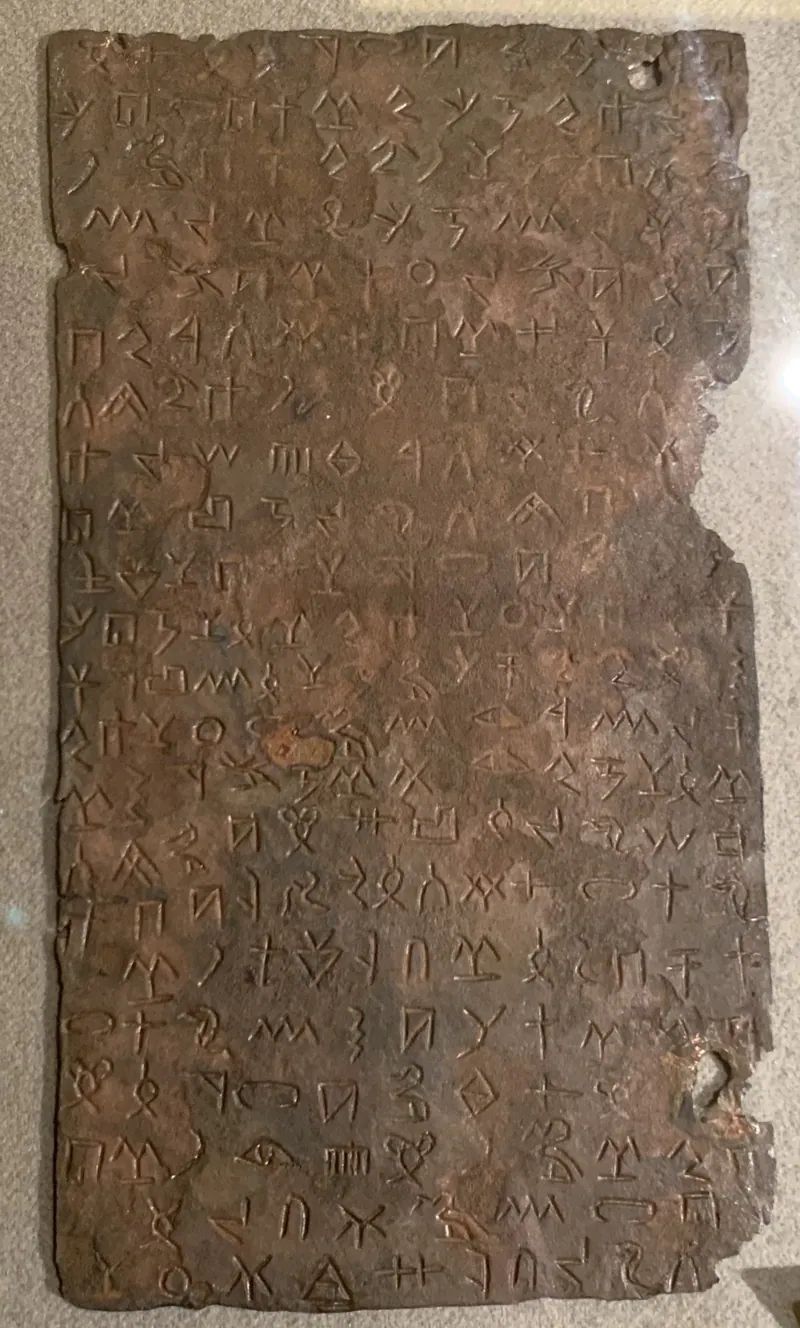
Byblos syllabary
Mäder's Unicode transcription makes sign frequencies, positional statistics and recurring sequences reproducible; a proposed grammar must match the morpheme boundaries that emerge without sound values, and a proposed…
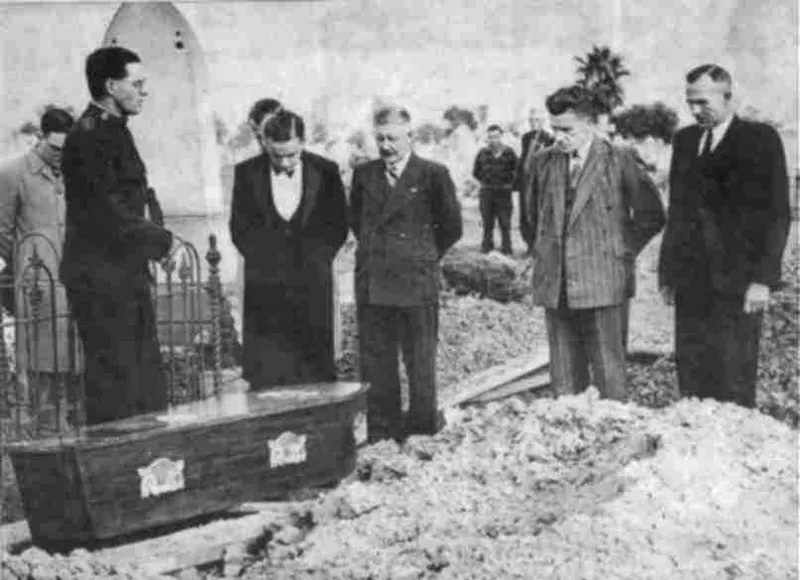
Somerton Man (Tamam Shud)
Naval and later Defence cryptographers could not read it; in 1978 the Department of Defence said there were "insufficient symbols" for a clear meaning and that it might be the product of a disturbed mind . ::: artifact…
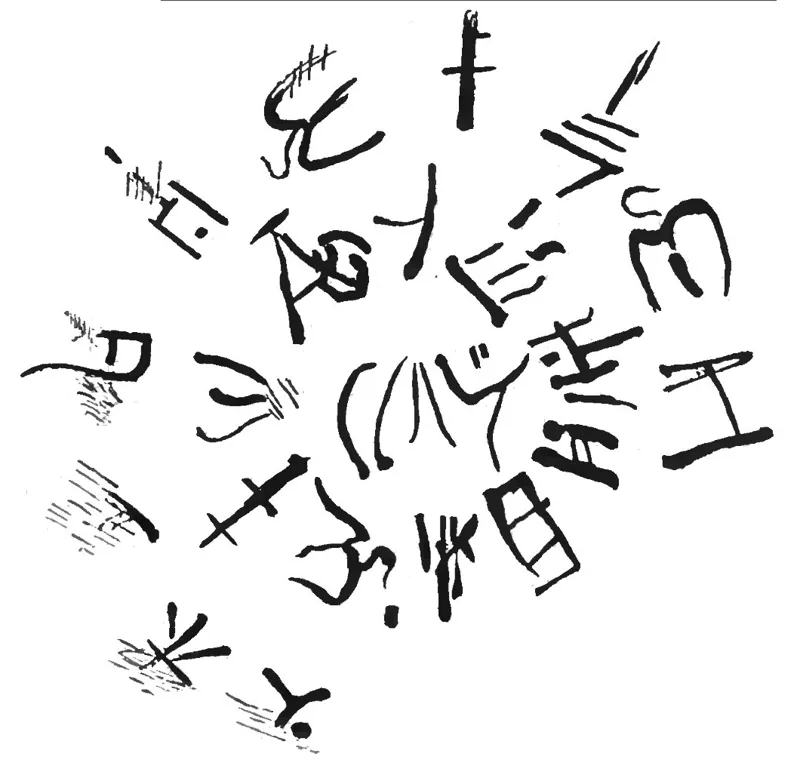
Linear A
Word-initial and word-final sign frequencies differ from Linear B Greek, which is the main reason most scholars doubt that Linear A is Greek .
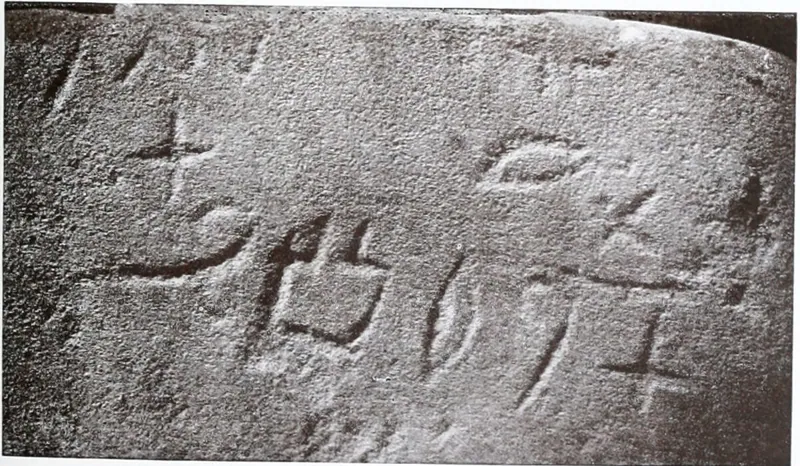
Proto-Sinaitic and Wadi el-Hol: the first alphabet
No statistical or machine-learning study of the corpus has been published; the texts are too short and too few for frequency analysis to decide anything.
Cite it
Mysteries Department. (2026). Frequency analysis [Concept CPT0DECVZZJW77N]. https://mysteriesdept.com/r/CPT0DECVZZJW77N
@misc{mysteriesdept_cpt0decvzzjw77n,
  title     = {Frequency analysis},
  author    = {{Mysteries Department}},
  year      = {2026},
  note      = {Concept, catalog key CPT0DECVZZJW77N},
  url       = {https://mysteriesdept.com/r/CPT0DECVZZJW77N}
}