Michael Mäder
Swiss linguist (University of Bern; Gesellschaft für die Entzifferung antiker Schriftsysteme) who transcribed the Byblos corpus into Unicode private-use characters, ran the first computational word-boundary analysis in 2019, proposed the values me and pa from a seal bilingual in 2023, and co-wrote the 2024 assessment of the Best/Woudhuizen decipherment.
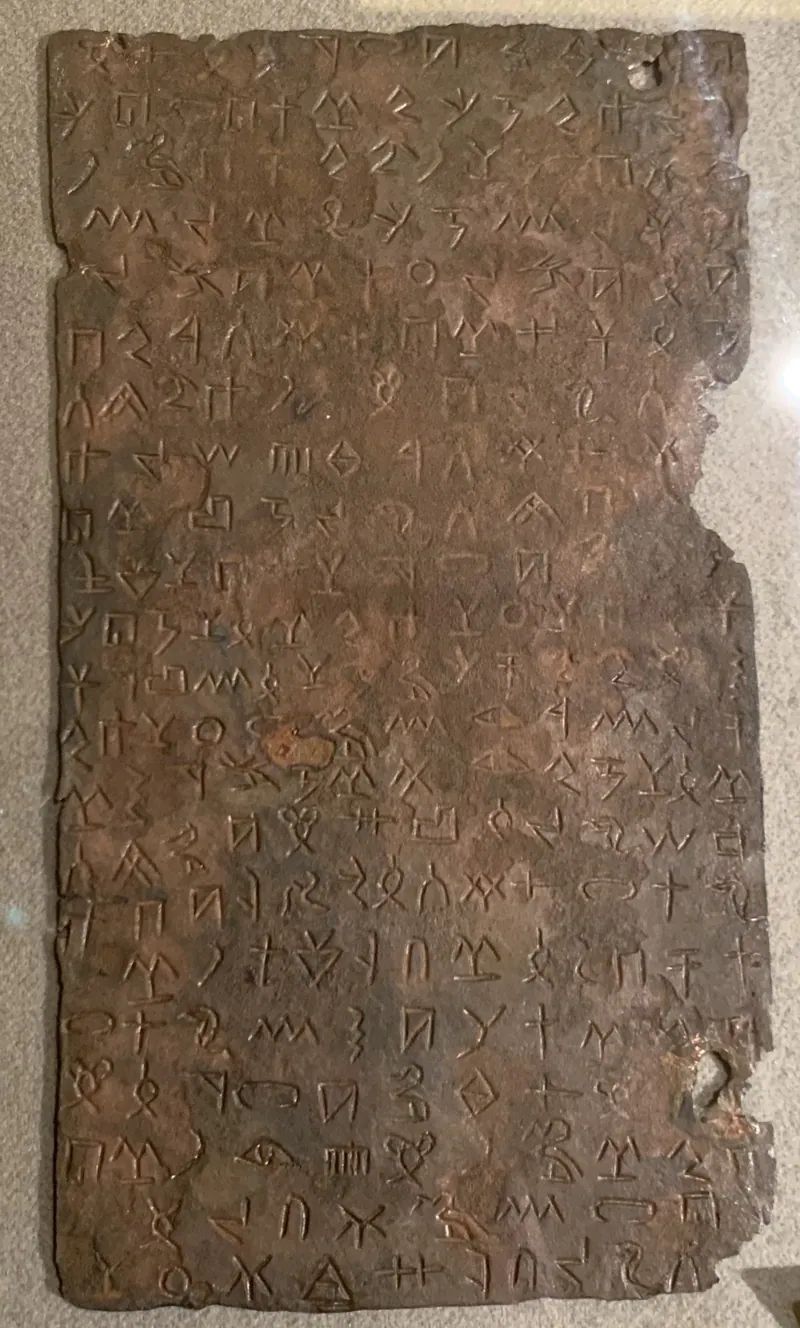 The Byblos syllabary
Michael Mäder is swiss linguist, University of Bern and GEAS; leads the computational and Unicode work on the Byblos script, and appears in the record of Byblos syllabary as swiss linguist (University of Bern; Gesellschaft für die Entzifferung antiker Schriftsysteme) who transcribed the Byblos corpus into Unicode private-use characters, ran the first computational word-boundary analysis in 2019, proposed the values me and pa from a seal bilingual in 2023, and co-wrote the 2024 assessment of the Best/Woudhuizen decipherment.
Two events on the site involve Mäder, from Benjamin Sass argues for a ninth-century date; Michael Mäder presents the first computational word-boundary analysis (2019) to Schmutz and Mäder find the Best and Woudhuizen decipherment unfalsifiable; Byblos objects shown in Leiden (2024).
Three questions rest in part on what Mäder did or said, among them “Can any sound values be fixed from external evidence, such as the Akhenaten-daughters seal or the Egyptian parent signs?”, which stands no evidence yet.
Written from the site's records. Improve itIn the mysteries
What Michael Mäder did 2
Sources 3
Cite it
Mysteries Department. (2026). Michael Mäder [Person FIG0DEDJ9NQW40S]. https://mysteriesdept.com/r/FIG0DEDJ9NQW40S
@misc{mysteriesdept_fig0dedj9nqw40s,
  title     = {Michael Mäder},
  author    = {{Mysteries Department}},
  year      = {2026},
  note      = {Person, catalog key FIG0DEDJ9NQW40S},
  url       = {https://mysteriesdept.com/r/FIG0DEDJ9NQW40S}
}