Rebus principle
Using the sign for one thing to write a different word that sounds the same.
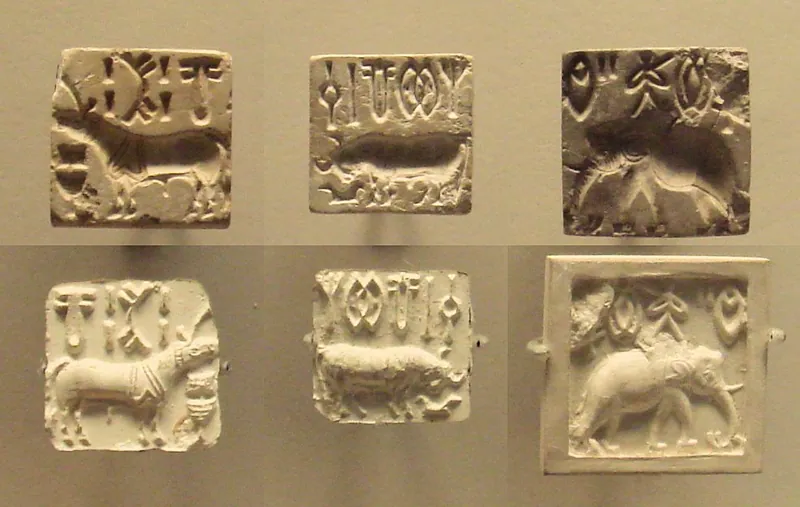 Indus script
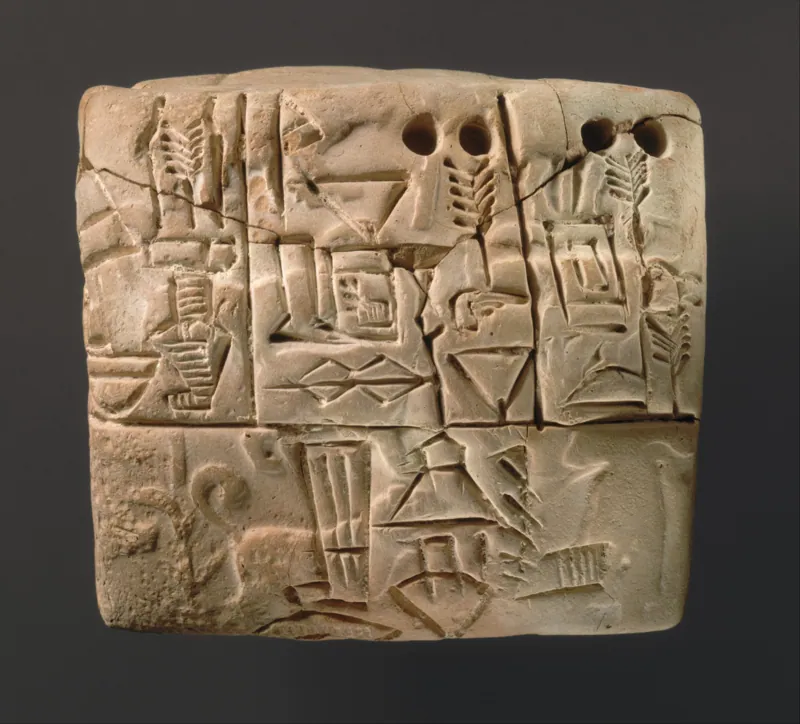
The rebus principle is the step by which a picture sign becomes a sound sign: the sign for a thing is used to write another word, or part of a word, that is pronounced alike, as a drawing of an eye can write "I". Once a script does this it is tied to one language, because the pun only works in the language whose words sound alike, and that is why a secure rebus is the standard proof that an undeciphered script records a particular language. In Mesopotamia the classic example is the sign for an arrow, Sumerian ti, used to write ti "life"; whether any such spelling exists in the Uruk IV texts is the central dispute over proto-cuneiform [@whittaker2005sumerian] [@dahl2025early]. A proposed rebus must be checked in context: the sign must not have a plausible pictorial or institutional reading, and the sound value must not be borrowed from a later period in which the sign may have changed value.
Where it comes up
Sources 2
Cite it
Mysteries Department. (2026). Rebus principle [Concept CPT0DEDY1N5MN91]. https://mysteriesdept.com/r/CPT0DEDY1N5MN91
@misc{mysteriesdept_cpt0dedy1n5mn91,
  title     = {Rebus principle},
  author    = {{Mysteries Department}},
  year      = {2026},
  note      = {Concept, catalog key CPT0DEDY1N5MN91},
  url       = {https://mysteriesdept.com/r/CPT0DEDY1N5MN91}
}